The Process
What a group coaching engagement looks like
A well-run group or team coaching engagement follows a clear arc, though the specific content is designed around the team's real situation. Most engagements run 6 to 12 months — long enough for behavior change to be practiced in live leadership situations, not just discussed. Here is what a typical engagement looks like:
Diagnosis and stakeholder interviews
The coach begins by understanding the team as it actually operates: confidential interviews with each member, a review of how decisions get made, and often a team assessment or 360-degree feedback to establish a baseline. This surfaces the real issues — the ones people mention in one-to-one conversations but not in the room.
Chartering and a kickoff offsite
The team agrees on what it wants from the engagement and how it will work together during it — goals, ground rules, and how candor and confidentiality will be handled. Many engagements open with a longer offsite or extended session to build momentum and trust before settling into cadence.
Recurring group sessions
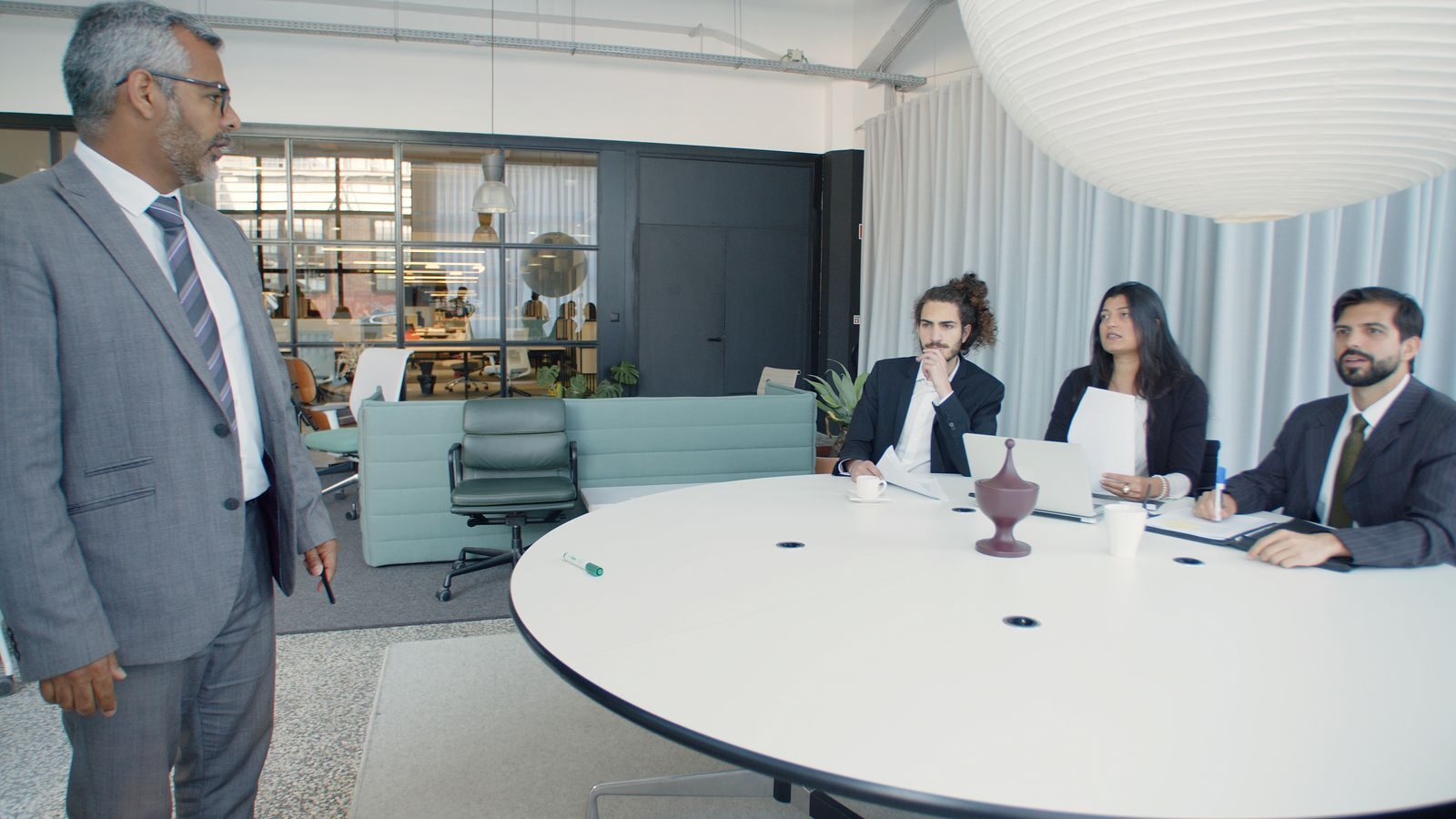
The core of the engagement is a regular cadence of group sessions — typically every two to four weeks. These are working sessions on real material: a live strategic decision, a recurring conflict, a communication pattern that is costing the team. The coach facilitates, challenges, and helps the team practice new behaviors while the stakes are real.
Paired one-to-one coaching (optional)
Many designs reserve a small number of individual sessions for each participant, so personal development that is not appropriate for the group has a private channel. This blended model captures the depth of one-to-one work and the shared-system benefit of group work at the same time.
Measurement and a close
The engagement closes with a review against the original goals, a re-assessment or follow-up stakeholder feedback, and an honest look at what changed and what the team will keep working on. Corporate buyers increasingly expect baseline-and-checkpoint measurement, and a serious coaching partner builds that in from the start. For how organizations quantify the return, see our executive coaching ROI guide.